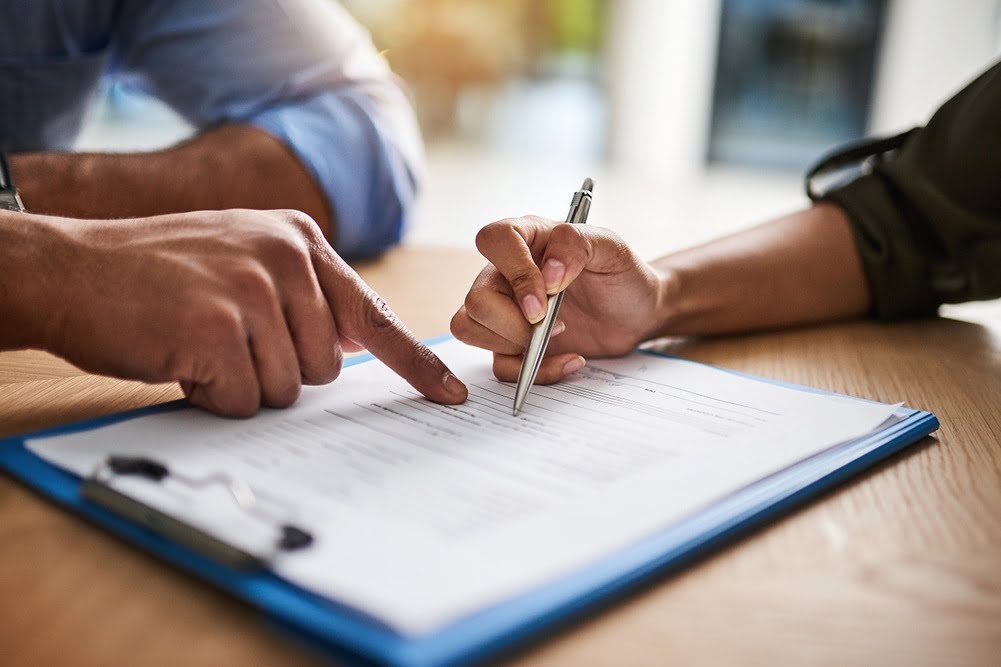
A buyer-ready car is one where three things can be verified quickly: who is legally able to transfer it, whether a lender still has an interest in it, and whether the condition matches the description. When those are clear before the inspection, there is less to renegotiate afterwards. Most of the preparation is gathering documents and writing down what you already know about the car, not spending money on repairs. This guide covers what to confirm, what to disclose, and what to photograph before you list the vehicle or request an offer. For the full California paperwork list, see documents you need to sell a car in California.
Start with how you plan to sell
Preparation is not identical across sale methods. A private-party seller manages the listing, buyer screening, payment, Smog Check and title transfer personally. A trade-in folds the vehicle into a new purchase at a dealership. A professional buyer coordinates verification, loan payoff and paperwork, but still needs specific documents ready before the appointment.
If you have not chosen yet, compare the trade-offs in trade-in vs sell-then-buy and in our guide to choosing a professional car buyer in the Bay Area. If you are leaning toward a private listing, read the precautions in selling without meeting strangers first.
Ownership and paperwork to confirm first
Gather these before the vehicle is inspected, so that an ownership or lien issue does not surface at the payment stage.
Title: who is on it and what it says
Check that the owner name and VIN on the Certificate of Title are correct, and identify every owner and lienholder shown. Where two owners are listed, note whether the title reads “and” or “or”, because that determines whose signature is needed. If the title is lost, damaged or held electronically, review the California DMV title transfer guidance before scheduling anything.
Avoid describing every transferable title as “clean”. A vehicle can have a valid, transferable title and still carry a salvage, rebuilt, junk or flood brand. Disclose any brand before the buyer starts an inspection.
Loan payoff or lien release
If a balance is outstanding, request a current payoff quote, ask how long it stays valid, and ask how the lender releases its interest after payment. If the loan is already paid, confirm that the title or DMV record no longer shows the lender, or obtain the lien-release letter.
An active loan does not prevent a sale; it just means the lender is part of the closing sequence. How to sell a car with a loan covers payoff quotes, positive and negative equity, and the order in which payment and title move.
Registration, photo ID, keys and manuals
Have the current registration card and a valid photo ID available for identity and vehicle verification. Then collect every key and remote, the owner manual, wheel lock key, cargo cover, charging cable and any accessory that belongs with the car. These are not transfer documents, but missing keys, remotes or vehicle-specific accessories can affect the final evaluation.
Odometer disclosure and bill of sale
Odometer disclosure is required on transfer for most vehicles, with exemptions based on age and vehicle type. A bill of sale records the vehicle, date, price and parties; California DMV provides Form REG 135 for this. It supports the transaction but does not replace the title. Never sign a blank or partially completed transfer document.
Smog Check: confirm who is responsible before you pay
In a California private-party sale the seller is generally responsible for providing a passing Smog Check report, and a certificate is valid for 90 days from the inspection date. Exemptions apply — for example gasoline vehicles four model years old or newer, and transfers between certain immediate family members.
Requirements can differ when you sell directly to a licensed dealer. Before paying for a test, ask the buyer whether a current certificate is needed for that transaction and check the Bureau of Automotive Repair Smog Check rules for your vehicle. If the car failed a previous test, resolve or disclose that result now rather than at closing.
Notice of Transfer and Release of Liability
After a California sale, submit a Notice of Transfer and Release of Liability to the DMV within five calendar days. It records that you no longer hold the vehicle and helps address parking, toll and traffic issues connected to the car after the reported sale date. Filing it does not by itself complete the ownership transfer, so keep a copy along with the rest of the sale record.
Maintenance and repair records
Organize service invoices, oil-change records, tire and brake receipts, major repair documentation, warranty paperwork and recall-completion records. A partial history still helps, because it replaces “it was well maintained” with evidence. Records support the description; they do not guarantee a specific number.
Condition checks that actually move the offer
A vehicle does not have to be perfect to sell. The goal is to find the issues that affect safe operation, legal transfer, or the accuracy of your description — then decide, item by item, whether to repair or disclose.
Warning lights
Note every dashboard light that stays on after startup: check engine, ABS, airbag, battery, TPMS. The light identifies an affected system, not a failed part, and the cause can be minor or serious. Where practical, get a written diagnosis. Clearing a code shortly before an inspection is counterproductive, because readiness monitors reset and the vehicle may not be testable.
Open safety recalls
Enter the VIN in the NHTSA recall lookup and keep documentation for recall work already completed. Recall repairs are normally performed at no charge by an authorized dealer. Recall status is separate from general mechanical condition, but both parties benefit from knowing it in advance.
Tires, brakes, glass, lights and leaks
Check all four tires for uneven wear, sidewall damage, mismatched sizes and visible aging, and note brake noise or vibration, cracked glass, damaged lights and fluid spots on the driveway. Avoid treating any single tread-depth number or repair-cost percentage as a universal rule — inspection standards and repair economics vary by vehicle and value. Document borderline items instead of guessing.
Test-drive symptoms
Drive the car for ten to fifteen minutes, including one cold start, and write down anything unusual: rough idle, delayed or harsh shifting, pulling, vibration at speed, suspension noise over bumps, overheating, non-working windows, locks, A/C or infotainment. An inspector may flag faults that have become familiar enough for the owner to stop noticing them.
This matters most when an online estimate will later be verified in person. How instant cash offers work and why they can change explains which inputs cause a figure to move.
Repair, or disclose and price accordingly
Consider low-cost work that clearly improves safety, operation or presentation: a burnt-out bulb, a wiper blade, a missing floor mat, a full cleaning. Larger mechanical or cosmetic repairs are situational. Get a diagnosis and a written estimate, compare it with the likely effect on the vehicle’s value, and disclose whatever you decide not to fix. What affects your car’s resale value sets out which factors you can and cannot control.
Disclose it before the inspection, not after
Useful disclosure is specific: what happened, what was repaired, what is still unresolved, and which records exist. Vague reassurance such as “runs great” alongside a lit warning light is what turns a routine inspection into a renegotiation.
Worth disclosing up front:
- Accident, structural or frame repair history
- Flood, fire or other water and heat damage
- Known mechanical or electrical faults, including intermittent ones
- Active dashboard warning lights
- Title brands, active liens or ownership discrepancies
- Aftermarket modifications, including emissions-related changes
- Missing keys, wheel lock key, equipment or major features
- Odometer replacement or any discrepancy in recorded mileage
A vehicle history report lets you see title, odometer and reported-loss information before the buyer raises it. The federal NMVTIS site lists approved report providers; commercial reports may add accident and service data. No report replaces disclosure or a physical inspection.
Photos and secure verification
The first evaluation usually happens through an online form or listing, so the photo set is the vehicle until someone sees it. Shoot in daylight, after cleaning, against a plain background, and include:
- Front and rear three-quarter views
- Both side profiles
- Front and rear seats
- Dashboard with the ignition on
- Odometer reading
- Trunk or cargo area
- Wheels and tires
- Engine bay
- Every dent, scratch, stain, crack or area of wear, shown clearly
Do not hide damage behind selective angles or heavy editing. Undisclosed damage tends to resurface during the inspection as a delay or a renegotiation. Equally, do not publish a photo of the full title, your driver’s license or your registration address in an open listing. Send ownership documents and the complete VIN through the buyer’s official verification process instead.
Buyer-ready checklist
| Area | What to confirm | Ready when |
|---|---|---|
| Ownership | Owner names, VIN, title brand, signature requirements, replacement process if the title is missing | The title is in hand or the replacement path is confirmed |
| Loan and lien | Current payoff quote or lien release, lender closing process | The lender’s role in closing is documented |
| California steps | Smog Check responsibility and exemptions, NRL details prepared | You know who pays for the test and what to file afterwards |
| Condition | Warning lights, open recalls, tires, brakes, leaks, test-drive symptoms | Each issue is diagnosed, repaired or written down for disclosure |
| Records | Service invoices, warranty and recall paperwork, all keys and manuals | The folder is organized by date and the keys are accounted for |
| Presentation | Interior and exterior cleaned, personal items removed, full photo set | Damage is visible in the photos rather than discovered later |
| Verification | VIN, odometer, registration and ID ready for secure submission | Nothing sensitive is published in an open listing |
Frequently asked questions (FAQ)
What documents do I need to sell a car in California?
Typically the signed Certificate of Title or an approved replacement form, odometer disclosure where it applies, current registration, photo ID, lien-release or payoff documentation if the car was financed, a passing Smog Check report unless exempt, and a Notice of Transfer and Release of Liability filed after the sale. A bill of sale is useful and required in some transfer situations. The California documents guide covers each item in detail.
Can I sell a car that still has a loan?
Yes. The lender’s interest has to be paid and released as part of the transaction. Request a current payoff quote, compare it with the expected sale amount so you know whether you have positive or negative equity, and confirm how the lender will release the title or electronic lien.
Do I need a Smog Check before selling?
In a California private-party sale the seller is generally responsible for providing a passing report, and a certificate is valid for 90 days from the inspection date, unless the vehicle or transaction is exempt. Requirements can differ when you sell directly to a licensed dealer, so confirm the process with the buyer before paying for a test.
Should I repair the car before selling it?
Complete inexpensive work that improves safety, operation or presentation. For larger repairs, get a diagnosis and a written estimate first and compare the cost with the likely change in value. Accurate disclosure is often more practical than fixing everything.
Do maintenance records raise the offer?
They support the condition you describe and reduce uncertainty, which helps most on older or higher-mileage vehicles. They do not guarantee a specific price — condition, mileage, title history, equipment and market demand still decide the number.
How do I keep the final offer close to the online estimate?
Submit accurate mileage, trim, ownership and title information, include clear photos of existing damage, and disclose warning lights and known faults before the inspection. Verification can still change a figure when something new appears, but accurate inputs reduce avoidable differences between the online estimate and the verified offer.
Bottom line
Buyer-ready does not mean repaired and detailed. It means the title, loan status, condition and supporting records can be verified without preventable surprises. Sort the title and payoff first, document what the car actually needs, photograph it honestly, and confirm which California steps apply to your chosen sale method. For the wider local process, read how to sell your car fast in the Bay Area.
AutoLetGo buys vehicles from Bay Area drivers through a guided review, offer, paperwork and pickup process. Send the details you already have and the team will confirm which documents apply to your title, lien and vehicle situation. If the sale is funding a replacement, we can also help you source your next new car. Questions before you start? Use the contact page.